
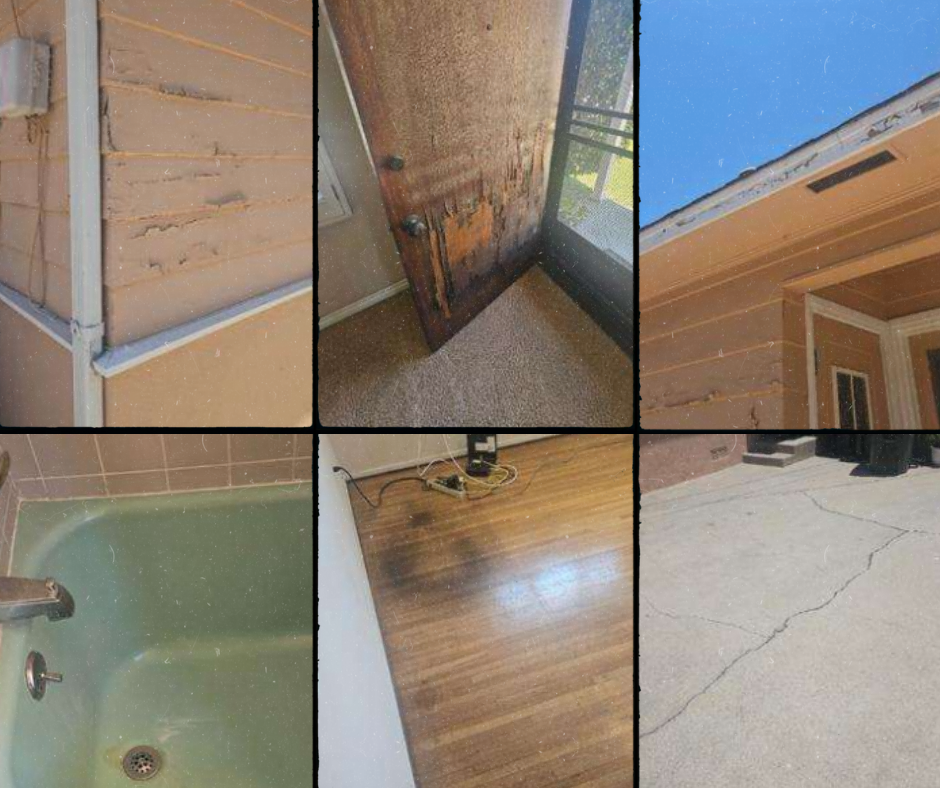
For most homebuyers, the inspection is one of the most important steps in the process. It’s the moment when you get a clear, unbiased look at the home’s condition and can decide how to move forward confidently. A thorough inspection can give you peace of mind, help you plan for future maintenance, and in many cases, save you thousands of dollars by identifying issues early.
In California, the standard Residential Purchase Agreement states that homes are sold “in their present physical condition,” or “as is.” That sometimes makes buyers nervous, but it’s important to understand what that really means. Even though the home is sold as-is, buyers have the right to conduct inspections—and are strongly encouraged to do so. The purchase agreement also allows buyers to request repairs, credits, or price adjustments based on inspection findings. Whether the seller agrees is negotiable and depends on the market, the nature of the issues, and how both sides want to keep the transaction moving forward.
 A typical home inspection covers the major systems and structural components: the roof, exterior, foundation, plumbing, electrical, HVAC, windows, insulation, and general safety concerns. Inspectors aren’t focused on cosmetic flaws; they’re looking for anything that could affect the home’s safety, functionality, or long-term value.
Because Long Beach has such a mix of housing styles—historic Craftsman homes, Spanish bungalows, mid-century ranches, and more modern condos—it’s helpful to work with an inspector who understands the quirks and typical issues of local homes.
Buyers pay for the inspection, and the cost varies depending on the size and age of the property. In most cases, you can expect to spend $500 or more, more if you add optional inspections like a sewer line scope, chimney inspection, or environmental testing.
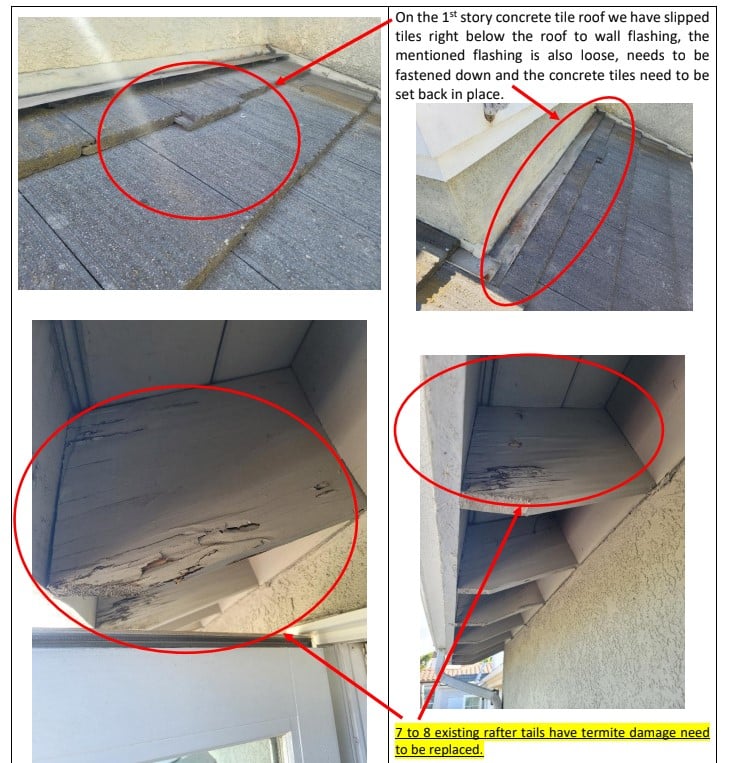
If you can attend the inspection, it’s well worth the time. Most take around three hours, and being on-site gives you the chance to ask questions, understand the inspector’s findings firsthand, and get a better sense of which items are urgent versus routine maintenance.
In older neighborhoods like Rose Park, Bluff Heights, or Belmont Heights, it isn’t unusual to find original plumbing or electrical systems. Seeing these issues in person helps you fully understand the implications and how they might affect your decision or negotiations.

After the inspection, you’ll receive a detailed report. These reports can be lengthy, but not everything carries equal weight. The key is to focus on major repairs, safety issues, and anything that could impact resale or insurance. Minor cosmetic items are rarely reasons to reopen negotiations; they’re simply part of homeownership.
Once you’ve reviewed the report, you’ll decide whether to request repairs, ask for a credit, renegotiate the price, or move forward as-is. In competitive markets, buyers often request a credit rather than repairs because it keeps the transaction cleaner and gives the seller less to coordinate. That said, if a major issue is uncovered—like a significant roof leak, foundation concern, or sewer line issue—it’s more common for sellers to negotiate than when the findings are minor.
The Seller’s Perspective
Sellers also have considerations when it comes to inspections. They’re typically expected to be away from the property during the inspection, which can take several hours. Some sellers choose to do their own pre-listing inspection before going on the market. The advantage is clear: fewer surprises during escrow and a better understanding of what repairs might be needed. However, there’s an important trade-off—anything revealed in a pre-listing inspection becomes a disclosure item that must be shared with potential buyers. Transparency is good, but sellers should go into the process knowing all findings must be documented.
Even without a pre-listing inspection, sellers should expect that buyers will look closely at the home and may come back with requests. How a seller responds often depends on the competition, the price point, and the nature of the repairs. Serious issues tend to prompt more negotiation, while smaller concerns may not warrant concessions, especially in a hot market.
Putting It All Together
Home inspections are not about finding perfection; they’re about gaining clarity. Every home—new or old—will have a list of issues. The goal is to understand which ones matter. A knowledgeable agent can help you interpret the report, understand what’s reasonable to negotiate, and navigate the give-and-take in a way that keeps your goals front and center.
Although I now work in a referral and advisory role from France, I continue to stay closely connected to trusted Long Beach agents who understand the local housing stock and common inspection issues. If you need a recommendation for an experienced professional who can guide you through the process with confidence, I’m always happy to connect you.