

When you’re preparing to sell your home, pricing isn’t just a number on a listing sheet — it’s one of the most important strategic decisions you’ll make. The right price can attract immediate attention, generate strong offers, and maximize your final sales price. The wrong price can cause your home to sit longer than it should, prompt lowball offers, or require reductions that ultimately hurt your bottom line.
Before you can choose a pricing strategy, you need a clear understanding of your home’s true market value. That means looking at recent comparable sales, current competition, condition, location, and buyer demand. This is where the guidance of an experienced, hyper-local agent is essential. Market value isn’t something you want to guess at — and online estimates are rarely reliable. A knowledgeable Long Beach real estate agent can help you interpret the data and choose the strategy that aligns with your goals.
Common Pricing Strategies — and When They Work Best
Most pricing approaches fall into one of three categories: pricing at market value, pricing above it, or pricing slightly below it. Each can be effective in the right circumstances.
Pricing at Market Value
This is often the most straightforward and balanced approach. When you price your home based on what similar homes have actually sold for — not just listed for — you tend to attract serious, qualified buyers. This usually leads to healthy interest, strong showings, and smoother negotiations.
Strategic Underpricing
Some sellers choose to list slightly below market value to create urgency and encourage multiple offers. In a competitive market, this strategy can work very well, often pushing the final sales price above what you may have achieved by listing higher. However, it requires confidence in current buyer demand. If the market is slower, underpricing may simply send the wrong message about value.
Premium Pricing
Every once in a while, a home is so unique, upgraded, or scarce that it justifies a higher list price. But premium pricing should be approached carefully. Many sellers say, “I’m not in a hurry, so I might as well start high,” without realizing that overpricing often leads to fewer showings, longer days on market, and ultimately a lower sales price. Buyers notice when a home sits — and they assume they’ll have negotiating power.
Psychological Pricing and Price Banding
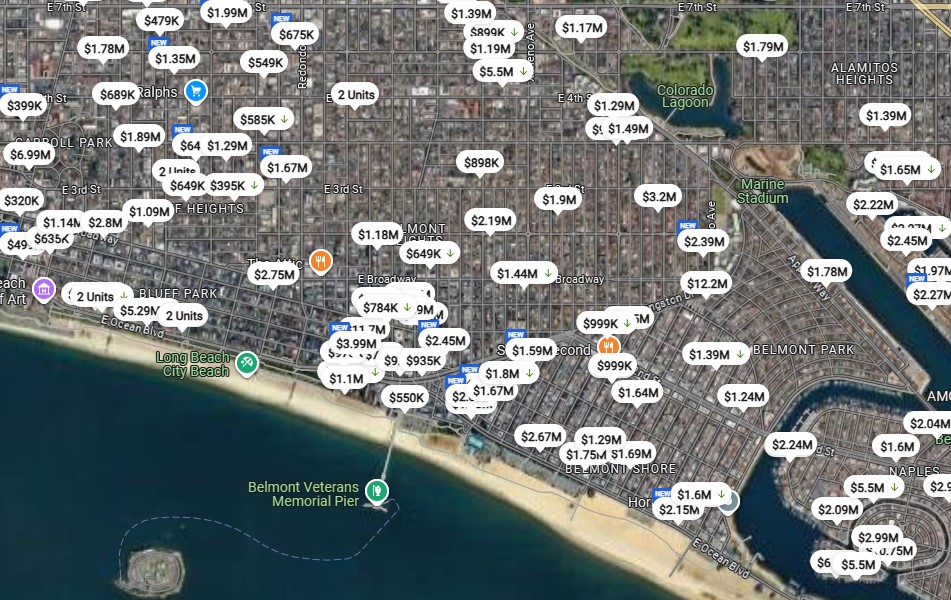
This is the strategy behind pricing at $999,000 instead of $1,000,000. It helps a home appear in more online searches and can make the price feel more approachable. It’s not a magic trick, but when paired with the right strategy, it can help increase visibility. Be careful with this strategy, however. If you’re hoping your home will sell for $1,025,000 for example and other similar homes are priced above $1,000,000 pricing below it may mean you don’t show up in searches for buyers who are looking at home from $1,000,000 to $1,050,000 for example. Talk to your agent about what a strategic number is for your home in your neighborhood given the current competition.
How Pricing Influences Timing and Outcome
How you price your home affects more than just the offer amount — it shapes the entire selling experience.
- Price too high: You’ll often see limited showings, minimal engagement, and eventual price reductions. Once a home has been sitting, buyers begin wondering what’s wrong with it.
• Price too low: You may get fast interest, but if the market isn't competitive, you might end up leaving money on the table.
• Price it right: This is the sweet spot — steady interest, qualified buyers, and strong offers that reflect true value.
Each Long Beach neighborhood behaves a little differently. Homes in places like Belmont Shore or Bluff Heights may respond well to slightly aggressive pricing because buyer demand is high. Some neighborhoods or property types, however, may require a more precise, data-driven approach to match buyer expectations and current inventory.
Pricing Strategy in the Fall Market
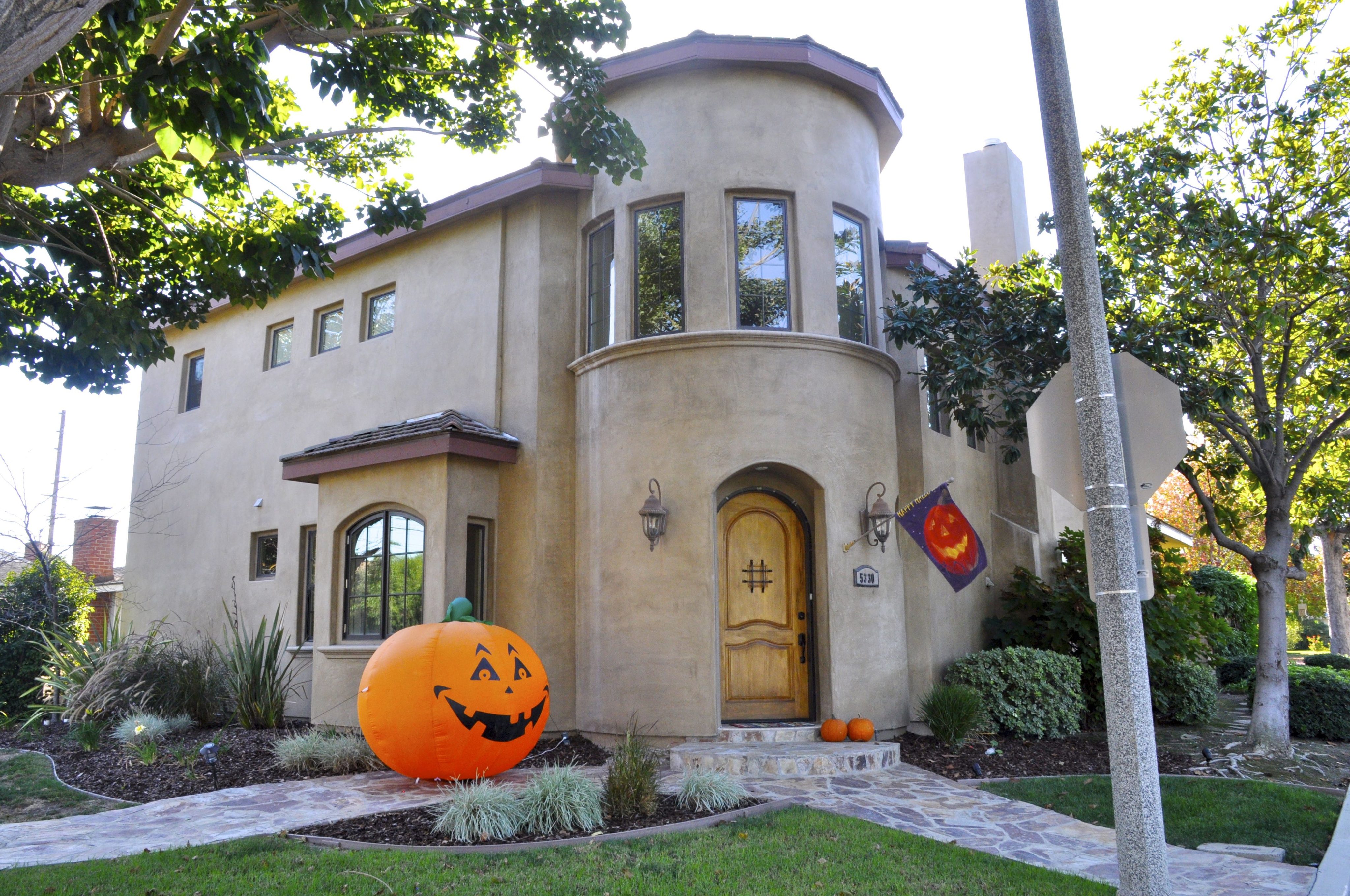
Seasonality also plays a role. Fall tends to bring a slightly smaller pool of buyers than the spring and summer markets, which means accurate pricing becomes even more important. Overpricing during this time can quickly discourage buyers who are already being selective.
Sellers can benefit from:
• Leaning into fall’s strengths — cozy interiors, neighborhood appeal, proximity to schools, parks, and holiday traditions
• Avoiding overly ambitious pricing
• Assessing interest early and making timely adjustments if necessary
A smart pricing strategy can help your home shine, even in a quieter season.
Why the Right Agent Makes All the Difference
Pricing isn’t guesswork. It’s a combination of data, experience, market knowledge, and an honest, strategic conversation about your goals. A trusted local agent can analyze recent sales, current competition, buyer activity, and your home’s unique strengths to recommend the best approach — whether you want a fast sale, the highest possible price, or the right balance of both.
Even though I now work in an advisory and referral role from France, I remain closely connected with experienced Long Beach agents who understand how pricing can make or break a sale. If you’re considering selling and want guidance on choosing the most effective pricing strategy for your home, I’d be happy to connect you with someone I trust.